
Simple, low-cost ways to get your drainage working effectively
Every winter that a course stays waterlogged is lost revenue, lost play, and a course that recovers more slowly in spring. Drainage is usually the single most effective investment a club can make. The aim is always to get the system working again with the minimum intervention needed, so it pays for itself, rather than starting with a complete overhaul, with all the cost and disruption that would cause.
Wet winters, short seasons
Irish courses often lose many days of their playing season to saturated fairways and soft ground, especially in winter. Effective drainage is the most direct way to improve course condition and playability, and the benefits go further: less machinery time spent restoring surfaces, less cost in materials and labour for repairs, more green fee income, and more days of play in an increasingly wet climate.
See the wider Sustainability programme →Diagnosis first
Some drainage problems have an obvious, identifiable cause: a blocked outfall, a failed joint, but more often simply a sealed gravel drain that hasn't been maintained or even identified. Fixing the right thing can often cost a fraction of a comprehensive new drainage system, which is rarely needed.
Targeted Improvements
From local drainage work on problem greens and fairways to improving and extending the existing system, the aim is maximum long-term improvement for the lowest capital spend, reducing future maintenance costs along the way.
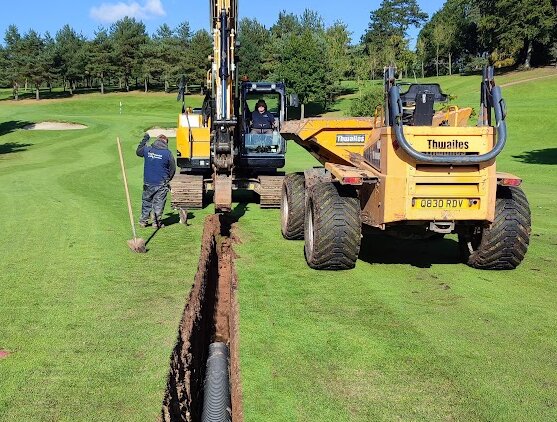
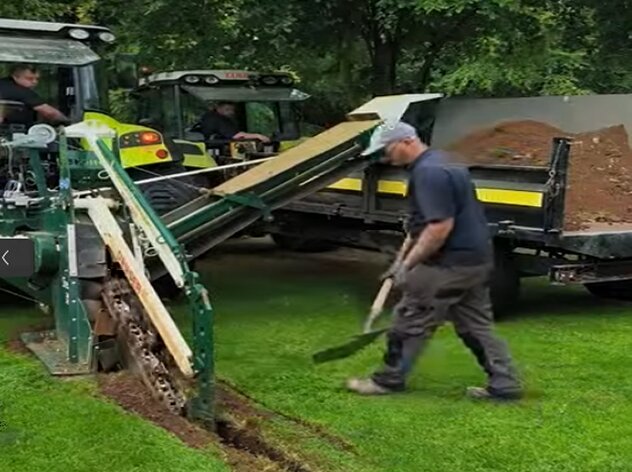
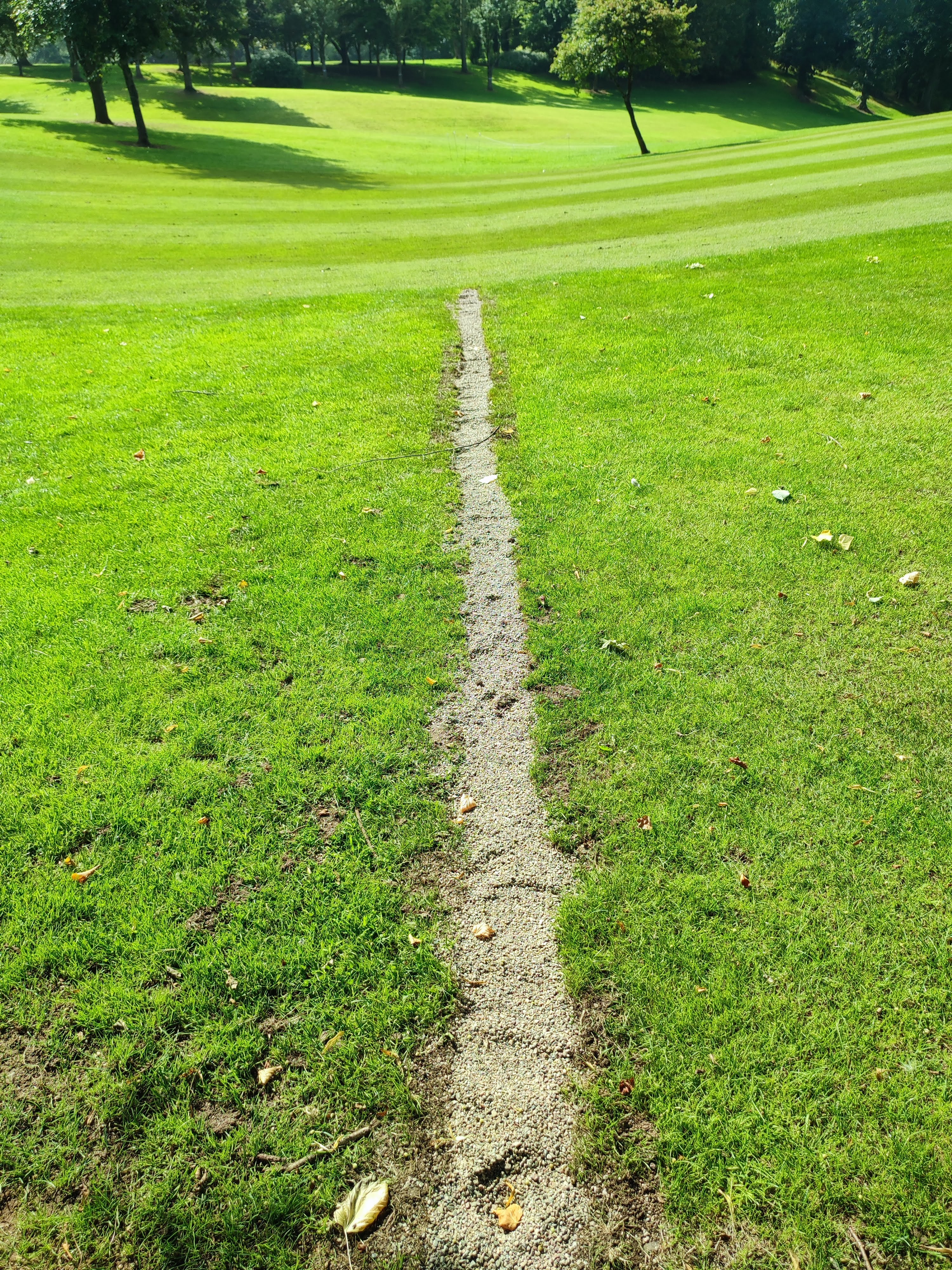
Photos from Recent Projects
Free introductory consultation
A half-day, no-obligation site visit to identify your course's drainage priorities and the lowest-cost path to fixing them.