
Sustainability that pays for itself
On a busy golf course, sustainability isn't a separate initiative; it's fuel, labour, water, and materials used more efficiently, and habitats protected and improved. The measures below are chosen because they pay for themselves in reduced costs, extended playing days, and the potential for increased green fee income.
Sustainable Drainage
Drainage is usually the single most effective investment a course can make. It's where most of my experience lies and the core of much of the advice given on this website. As well as extending the playing season, proper drainage reduces compaction, cuts the risk of surface damage, and lowers the cost of repairs after every wet winter. My approach is always to refresh and repair the existing system with the minimum intervention needed, rather than starting from scratch, because that's usually both the most sustainable option and the one that pays for itself fastest. Done well, it is effective, long lasting, and easily upgraded over time.
See the Drainage programme →Robotic mowing
Robotic mowers are already changing how golf courses are maintained. Battery-powered and near-silent, they cut emissions and diesel use, work early or late without disturbing golfers, and cause far less compaction than a ride-on. Clubs already using them are seeing real gains in turf quality, year-round cutting, and staff time freed up for other work. Most are starting with the softer, wetter areas where robots bring the most benefit, with conventional machines still covering the bulk of fairway mowing, for now. That's likely just the beginning. The business case is covered in our Technical Notes.
Read the Technical Notes →Surveying & course mapping
Almost every club I've worked with has the same problem: no accurate record of what's actually underground. Drainage and irrigation systems get installed over decades, and the knowledge usually leaves with whoever did the work. One of the first things I do on any project is build an accurate picture of the existing system, using historical aerial photos, Google Earth, drones, and ground surveys where needed. It's often surprisingly cheap, and it can save a fortune. Once it exists, that record means future work can be planned instead of guesswork, a permanent asset the club can build on for years.
See Surveys & Maps →Climate resilience
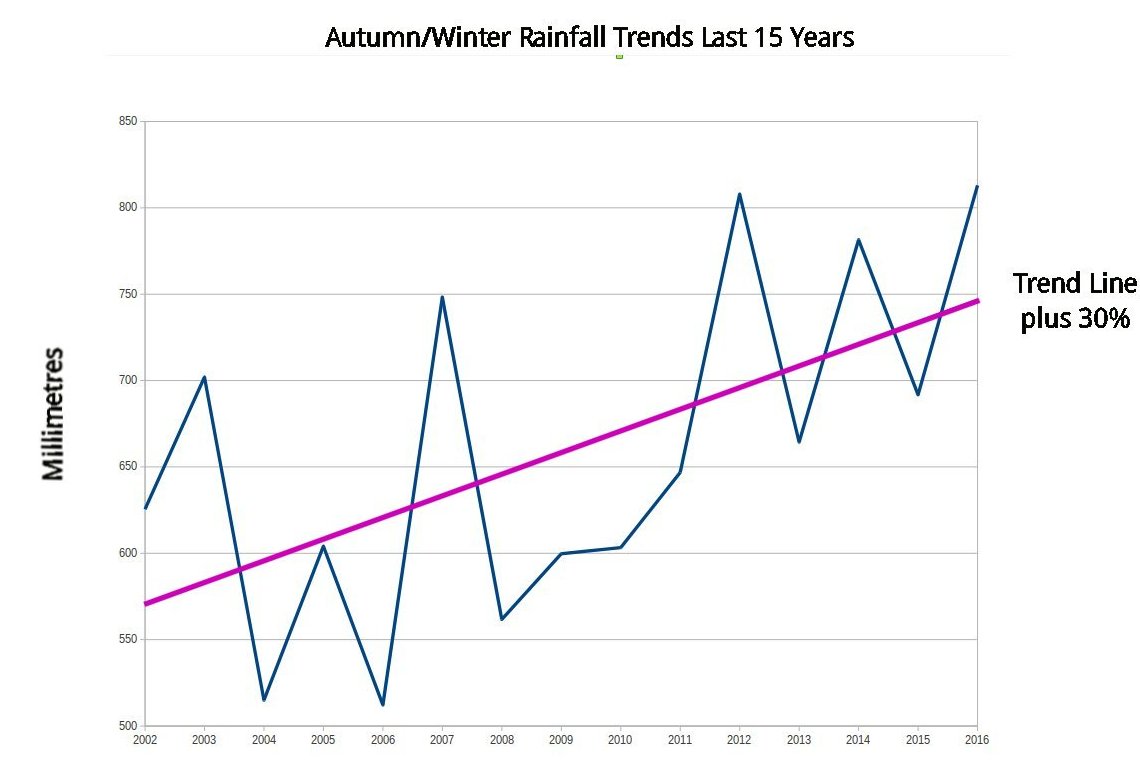
Irish winters are getting wetter, with heavier rain falling more often, and summers are getting warmer, with more frequent heatwaves. Our existing drainage and irrigation systems weren't designed for these changing conditions, and responding to them, in testing financial times, is now the challenge facing every course manager, convenor and committee.
Talk through your course →
What this looks like on the ground
Where to start
Most courses get the biggest early win from drainage, it's the fastest way to extend the playing season and reduce downstream costs. A free consultation identifies the priority order for your course.