
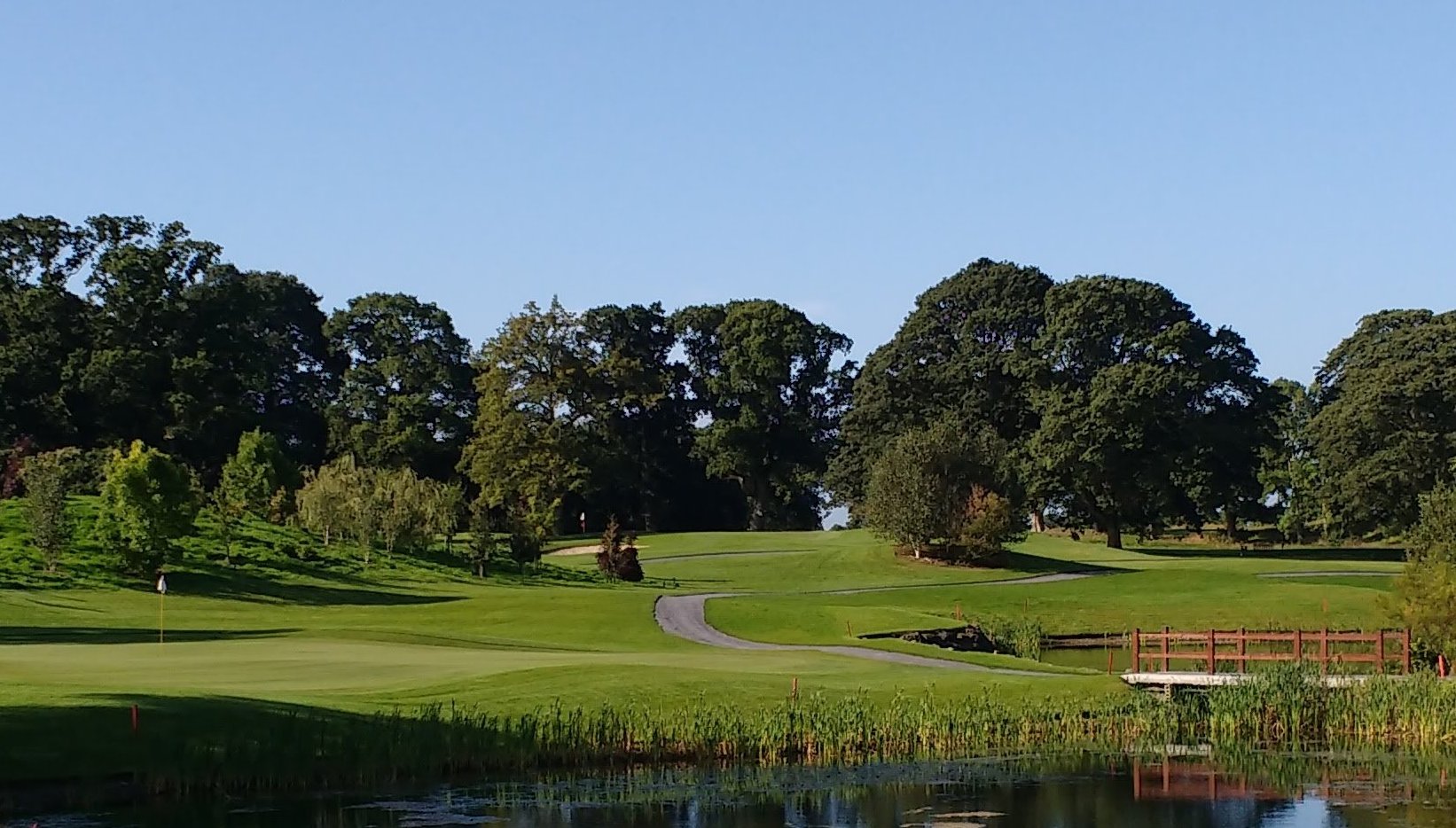
Drier courses, longer playing seasons, lower costs.
A well-run golf course will cost less, not more!
Everything on this site is aimed at providing practical, low-cost solutions for drainage, machinery, and everyday course management, helping golf courses stay drier, remain open for longer, spend less, avoid paying twice to fix the same problem, and protect water, trees, and habitats.
Ireland's wetter winters have made all of this harder, with shorter playing seasons and rising costs, which is exactly why the approach matters now.
The objective: a course members are proud of... without costing the earth.
This site shares practical experience and low-cost solutions to the problems golf clubs face in the current climate: drainage failures, winter damage, water shortages in summer, tree management, and how new technology can genuinely help.
It also aims to help clubs develop longer-term plans and cost-effective practices rather than struggling with the same issues year after year on tight budgets, and to spark conversation, interest, and observations from others in the golf world that can be shared for everyone's benefit.
The Technical Notes go into all of this in much more depth, but the thinking behind them starts here.
Drainage
Low-cost, drainage improvements to get greens, tees, and fairways playable earlier in spring and later into the autumn, engineered and planned, not guesswork.
Read more →Sustainability
The sustainability objectives here are practical: reducing fuel use and emissions, protecting trees and habitats, and making better use of resources, and embracing technology like robotic mowing to work smarter and reduce our environmental footprint.
Read more →Technical Notes
Practical notes on drainage, machinery, and the problems clubs deal with, drawn from extensive contract and drainage design experience and years as a committee member and convenor.
Browse notes →Winter-proofing the Course
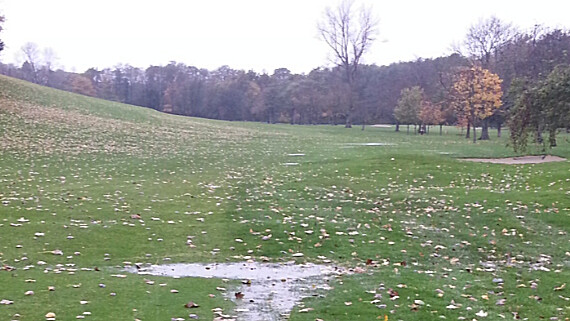
Simple, low-cost steps to take now, before winter sets in, to keep a course more playable, reduce wear on greens and fairways, and help it recover faster next spring.
 Read the note →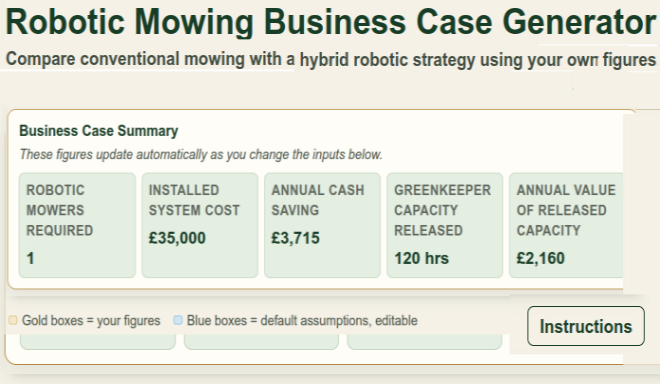
Robotic Mowing Business Case Calculator
Compare conventional mowing with a hybrid robotic strategy using your own figures, see installed cost, annual savings, and greenkeeper capacity released.
Try the calculator →Free introductory consultation
A half-day, no-obligation consultation to look at your drainage and sustainability priorities and where the quickest wins are.