
Winter-proofing the Course
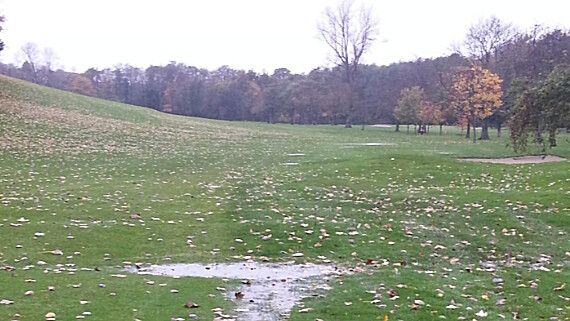
We’ve had a remarkably dry summer and winter golf has been far from our minds. But the main playing season is only five or six months at best. For up to seven months each year, parkland courses are dealing with wet ground, fallen leaves, preferred lies and winter wear damage.
There’s little time for major work before this winter, but there is still plenty clubs can do. A few simple measures taken now can keep courses more playable, reduce winter damage and help them recover more quickly next spring, often at very little cost.
Cut the rough short before winter
With preferred lies likely to operate through much of the winter, there is little advantage in keeping rough long. Shorter turf is firmer underfoot, dries more quickly and suffers less machinery damage. Balls are easier to find as well.
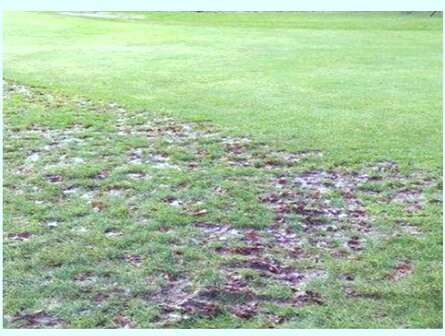
Here the leaves have blown from the fairway but are trapped and decomposing just yards away in the rough.
Cut the rough shorter now and autumn winds may move much of the leaves into hedges and ditches, leaving considerably less to clear.
Winter tees
If tees are large and in good condition, they may be usable all year, although this is unlikely on par threes because of divot damage.
Where space permits, a permanent winter tee can work well, preferably away from the main playing area where concentrated winter traffic will cause damage.
A simple alternative, particularly on par threes, is a good-quality range mat on the normal tee, moved at least weekly. This spreads the wear and allows the surrounding turf to recover. My own club has successfully used this approach for many years, avoiding permanent winter tees on almost all holes.
Temporary greens
Nobody likes them, but temporary greens can keep the course open during frost, flooding, hailstones or maintenance work. The key is to prepare them well before they are needed.
Mark out suitable areas early, repair divots with sand and seed, and give them a few cuts and some topdressing. Make them large enough to move the hole as wear develops and, where possible, choose positions that still make the hole interesting to play.
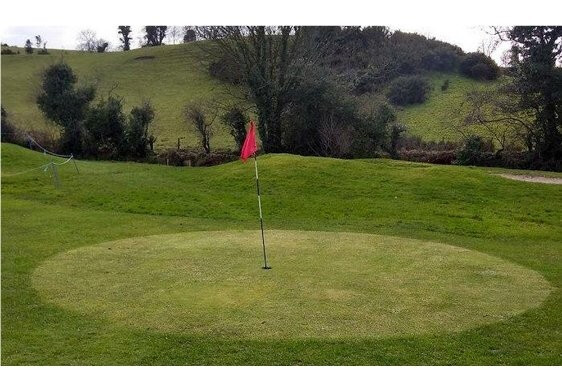
Players don't appreciate a small circle like this, without much preparation.
It takes little time to prepare temporary greens so let's make them a decent size and choose a location that makes the hole interesting to play. And they need to be large enough to allow the hole position to be changed if it gets muddy.
Using temporary greens can also spread winter traffic and protect heavily used greens and surrounds. Locations should therefore be chosen with traffic management in mind and varied where possible, to avoid repeated compaction in one spot year after year.
A few hundred pounds spent preparing decent temporary greens may help avoid course closures and the loss of green fees, clubhouse and shop income. More importantly, protecting the main greens in poor weather conditions means quicker recovery in spring and a better start to the following season.
Paths to the fairway
Hard paths are expensive and often simply move the problem to muddy, compacted areas at each end. Before building more paths, consider whether the wear can simply be spread to avoid damage.
Widening an entrance or exit from three yards to six will halve the concentration of traffic. In many locations a broad, regularly cut grass route is cheaper, more attractive and perfectly adequate.
Narrow grass paths may be adequate in very dry areas, but make them as wide as possible in wetter areas, maybe even full fairway width.
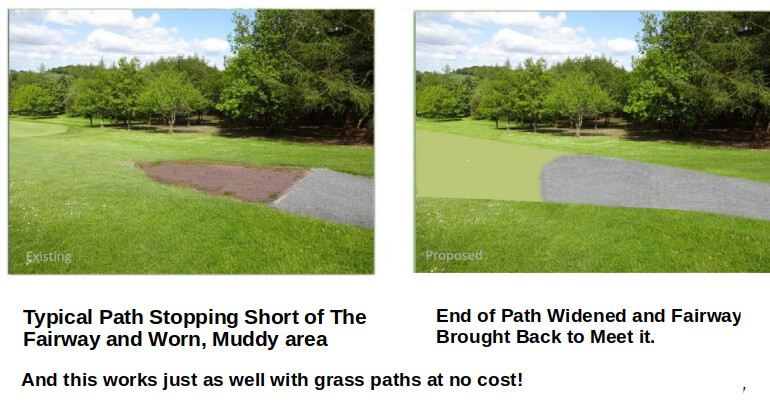
Paved paths will still be necessary in very heavily trafficked areas, but firm grass is much more pleasant to walk on and costs little to establish.
It’s probably too late now to create new grass routes for this winter, as they would cut up badly, but watch the wear patterns now and plan generous routes for cutting next spring, so that they are firm and mature next winter.
Carry from the tee
Many clubs have gradually extended the rough between tee and fairway. This can make holes more difficult for beginners and aging golfers while creating a wet, unpleasant walk for much of the winter. A narrow grass route often becomes compacted and muddy through concentrated traffic.
Instead, why not taper the fairway back towards the tee?
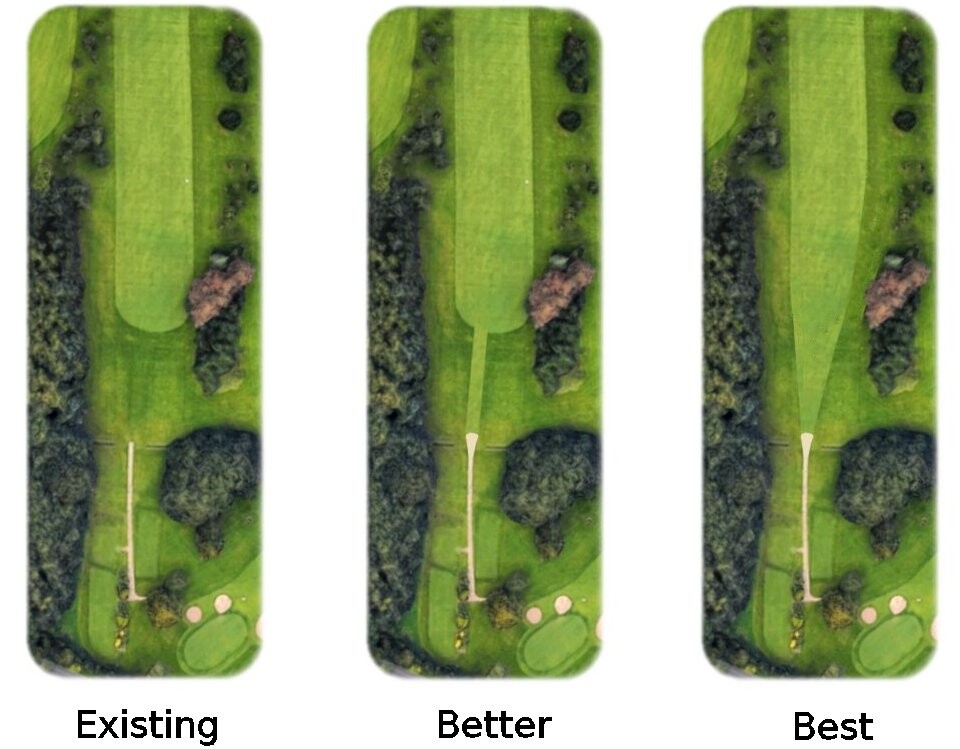
The revised fairway need not require extra mowing, simply distribute it differently.
Regular cutting encourages denser turf. Muddy carries can often be made firmer simply by cutting them more frequently during the growing season.
Wetter areas may still require drainage, spiking or sanding, but considerable improvement is often possible with very little expense.
Drainage and vertidraining
Hopefully your club already has drainage work or maintenance of existing drains under way. Late September is often the best time for this work as the ground may still be firm enough to avoid too much damage. New or refreshed drains installed now can still provide benefit this winter while having time to recover before next season.
Where a good drainage network already exists, gravel banding can help keep fairways permeable.
Vertidraining can also keep the soil open and encourage deeper rooting, helping both winter drainage and resilience during dry weather next spring. Pay special attention to compacted walk-offs and tees that may be difficult to water. Deep rooting now will help them get through next year’s drought.
Robot mowers and winter golf
Good drainage is only half the answer. Managing machinery traffic when soils are saturated is just as important.
Robotic mowing is directly relevant to winter-proofing. A lightweight robot places vastly less traffic on wet fairways than a conventional ride-on fairway mower, reducing compaction, rutting and surface damage. Staff time released can also allow leaves to be blown off with backpacks, avoiding the damage caused by tractor-mounted blowers when the ground is already soft.
Technical Note 8 and Technical Note 9 looked at robotic mowing in more detail. For clubs now considering robots, there are increasingly competitive purchase and lease options available.
Current robot offers - September 2026
Husqvarna CEORA 544 EPOS / RZ43L / CS4
The current Lease Plus offer starts from £427 per month, including VAT, installation, maintenance, repairs and theft insurance. This has a listed working capacity of 9,500 m² over 12 hours.
Clubs should obtain a site-specific written quotation confirming VAT, EPOS equipment, contract duration and end-of-lease conditions.
Kress MasterSeries Mega 600 KR238EG
Kress's new fairway mower is listed at £36,696 including VAT, with a quoted capacity of approximately 22,000 m² in 12 hours.
Clubs should check the complete installed price, servicing arrangements, local support and warranty before comparing it with other machines. Lease options may be available.
Prices and offers checked September 2026 and subject to change.
A little work now can yield great results
None of the measures outlined in this article are complicated or expensive. Most are simply about managing turf, traffic and machinery more carefully.
We have around seven months of wet and windy golf ahead. A little work now can mean a drier, more enjoyable course this winter - and a much better course to start with next spring.
Simple Solutions are Often the Best.
Related publications
- Technical Note 8, The Biggest Change in Golf Course Maintenance for 50 Years?
- Technical Note 9, The Business Case for Robotic Mowing