
Can the Sustainable Golf Course Keep Costs Down?
Why investing in sustainability beats cost cutting
Picture your club in ten or fifteen years. The annual subs are still affordable. The course is in good condition through every season, full of variety and colour with wildlife thriving on the fringes and wilder areas. There’s a waiting list for membership and your course is attracting healthy green fees from visitors and tourists.
Some well-run clubs are already building that future, and it’s within reach of most others. Getting there isn’t about luck, or the size of a club’s bank balance. It comes down to planning and policies to make these outcomes happen and to make it sustainable, both financially and environmentally.
Two directions
Very few clubs are at risk of closing and golf is thriving again in Ireland. It’s about which of two directions a club evolves over time.
With the right approach, rising costs can get absorbed or mitigated through good management. Fuel, wages, machinery, materials, are costs a club has real influence over, not increases that just have to be passed on.
Handled less well, those same costs flow straight into subs, which rise faster than incomes. Members don’t renew, or don’t join at all, often the younger ones a club needs most. The membership ages and shrinks and course condition is the first thing to suffer once income drops.
Most members never see this trend, which can be very gradual. They just feel it: things seem to get a little worse, and a little more expensive, every year. They think it’s inevitable. The good news is this is entirely avoidable, and the clubs that are thriving tend to adopt sustainability as a real management discipline, not just a box to tick.
The problem nobody notices: no records, no plan
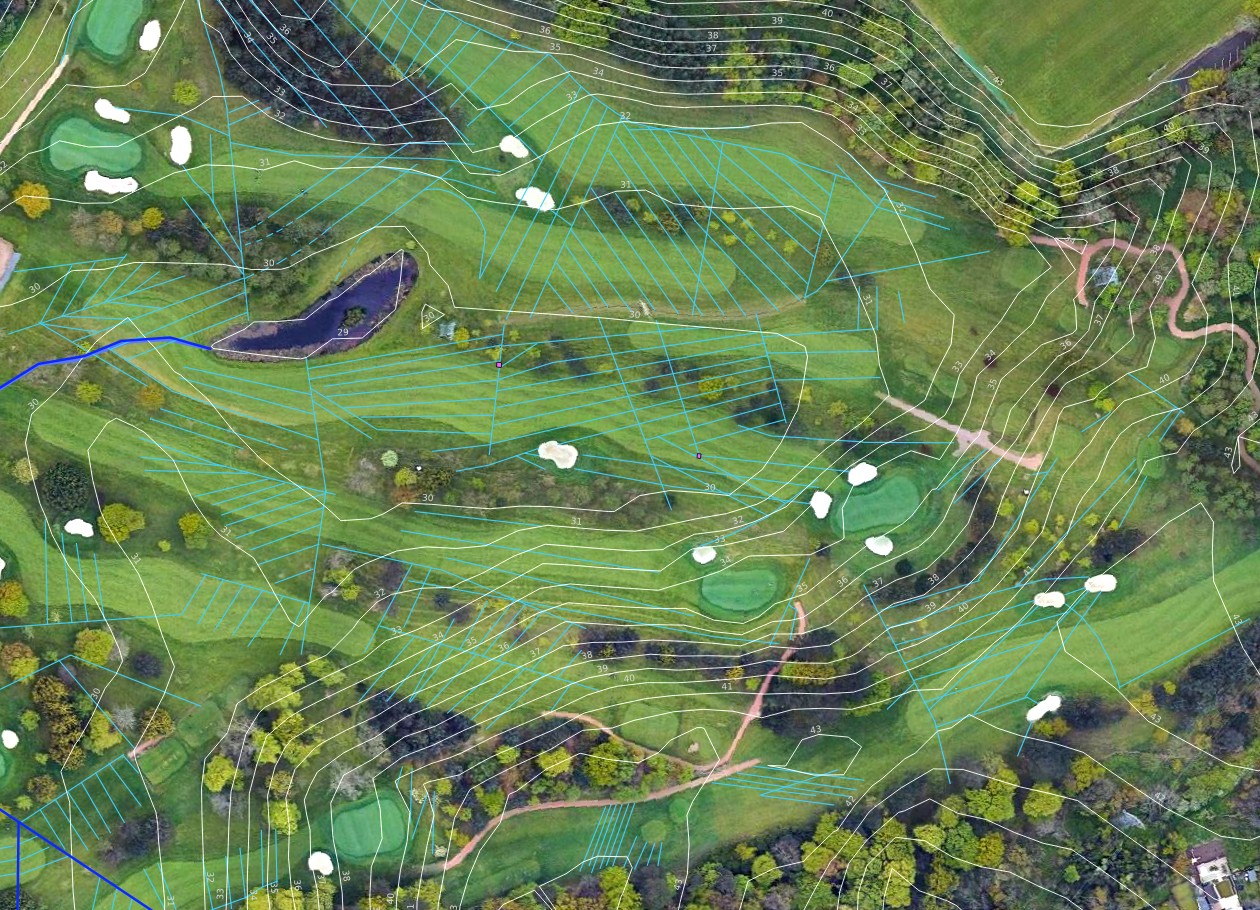
Ask most clubs what’s actually in the ground and where, and you’ll get a shrug. Where do the drainage pipes run? Where’s the irrigation mainline? Which trees were planted, when, and what species? The honest answer at most clubs is: nobody really knows, because nobody wrote it down, and whoever did know has since left the committee, retired, or passed on.
This isn’t a small gap. It’s the reason so much course work costs more than it should, and why so many good intentions quietly come to nothing. Without a tree survey, the wrong trees get cut down and the wrong species get planted back in their place.
Without drainage or irrigation records, contractors dig up pipes that didn’t need replacing, or worse, sever a working irrigation line that nobody knew was there, a repair bill that a five-minute check of a proper record would have avoided entirely. Spoil from ditching and hollow cores lifted from the greens, both genuinely useful materials for building up banks, filling hollows or improving other areas of the course, get carted away or dumped because nobody planned ahead for where they could actually be used.
Underneath all of this is a deeper pattern: committees change every year or two, and each new committee often starts again with its own ideas, rather than picking up a plan left by the last one. Good work started under one committee gets quietly dropped, changed, or reversed by the next, not out of any bad intention, just because nothing was written down for them to inherit.
None of this is expensive to fix, it just takes a decision to start. A basic course asset map, drainage runs, irrigation lines, tree positions and species, kept as a living document and handed on to every new committee, pays for itself many times over in avoided mistakes alone. This is arguably the cheapest, highest-return piece of “sustainability” work a club can do, and the one most likely to be skipped, because it produces no visible result on the course itself. It just quietly stops the same expensive mistakes happening again and again.
Spending to cut costs
Plenty of members hear “sustainability” and think flavour of the month, a fad to be humoured until it passes, not something worth real money. The truth is closer to the opposite. Sustainable practice is what keeps a club affordable. It isn’t what makes a club feel worthy.
- Robotic mowing isn’t “the club going green.” It insulates subs from red diesel price swings and from rising wages for skilled greenkeeping staff, two of the biggest costs on most course budgets.
- Drainage investment isn’t “environmental improvement.” It protects winter green-fee and visitor income that would otherwise simply vanish. It also heads off the far bigger emergency repair bill that follows years of reactive patching.
- A well-run environmental programme isn’t a cost fighting the greens budget for funds. Done well, it shrinks the area that needs intensive, expensive upkeep.
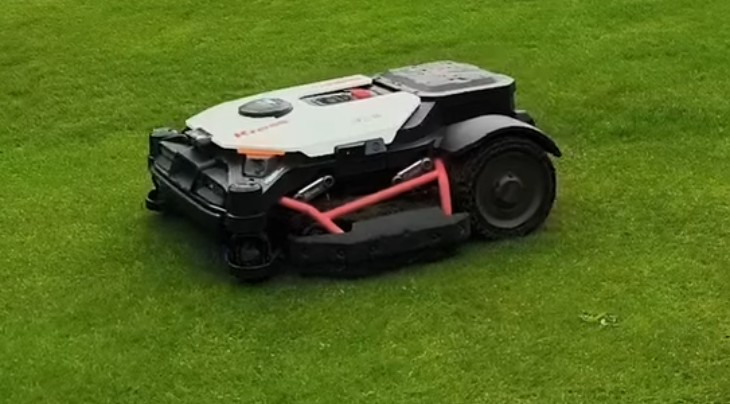
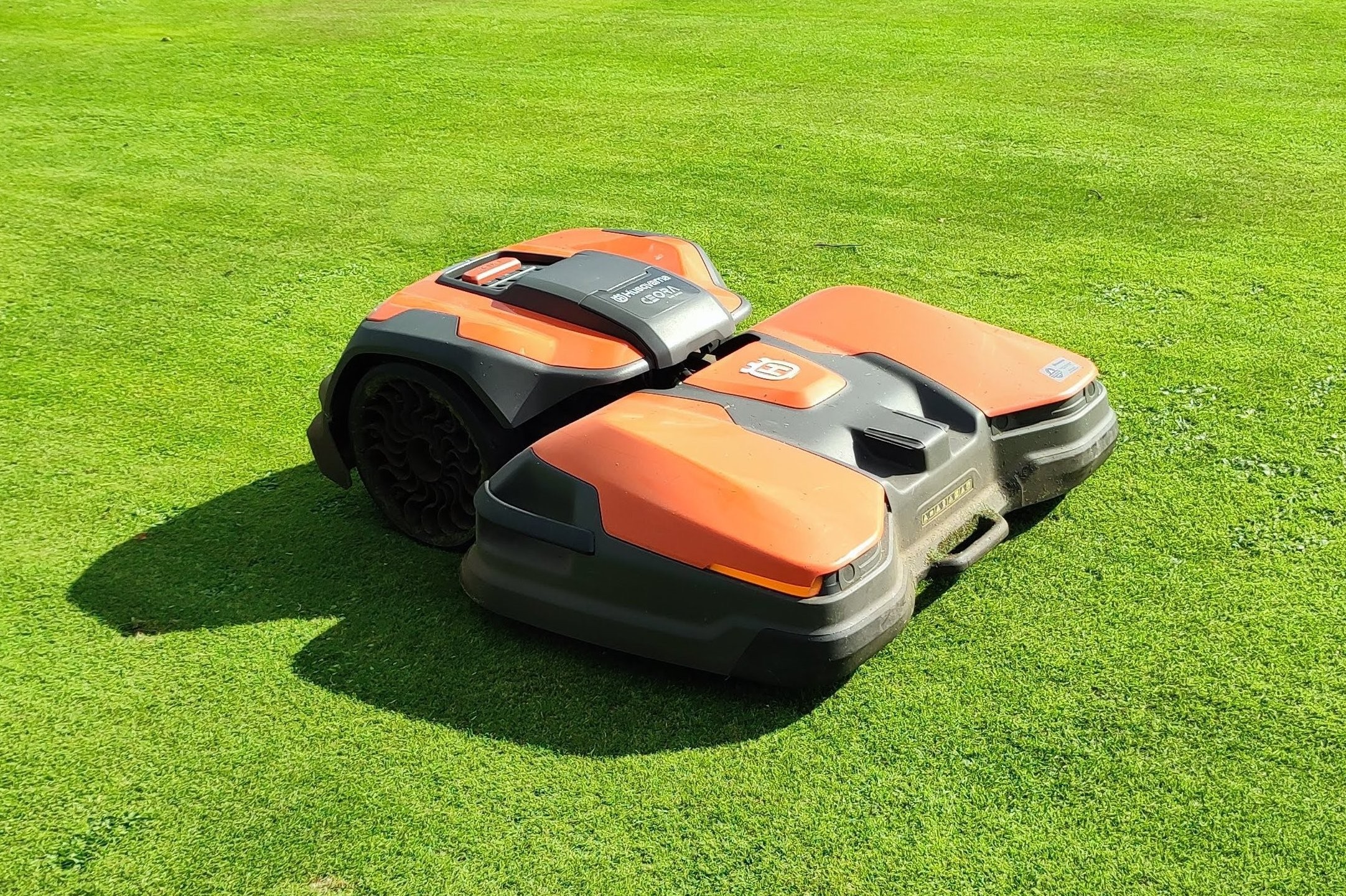
Two makes, one shift in course management: robotic fairway mowing. Environmental sustainability and financial sustainability aren’t two separate causes competing for a committee’s time. Often, they’re the same spending decision, seen from different angles.
Backed by Golf Ireland’s own strategy
Golf Ireland’s own sustainability strategy makes this same connection. Drive the Green aims to help golf clubs across Ireland become “more sustainable, popular and profitable.” Profit and popularity aren’t afterthoughts here. They’re two of the plan’s three stated goals, and Golf Ireland is the national delivery arm for the same GEO principles used worldwide.
By late 2025, over 100 clubs across Ireland had joined the related Sustainability Leaders Programme. Biodiversity mapping is now complete on dozens of courses. More clubs are tracking energy, water and input use as routine practice, and reaping the benefits.
Too much water, then too little

Drainage is usually seen as a winter problem: a waterlogged course, lost income through course closures, members frustrated by casual water on the fairways, damage and repairs delaying the start of the season. That’s the starting point for most of the drainage work I do with clubs.
But the same root issue, climate change, now works against clubs in other ways, as hot, dry summers become more common. Few clubs here have a natural water supply. Few can afford a borehole, and many have ageing or ineffective irrigation systems. So drought resilience has to come from how the ground itself is managed, not from simply irrigating the problem away.
Good drainage and good drought resilience turn out to be the same job, seen at different times of year. Vertidraining in late summer and autumn opens up compacted rootzones after the main playing season, improving permeability and encouraging deeper root growth over the months that follow. Deep roots cope far better with next summer’s drought stress, reaching moisture that shallow, compacted turf simply can’t.
It’s a small, well-timed piece of work that pays back many times over, at a fraction of the cost of a borehole or a major expansion of irrigation. Slicing and shockwave treatments can also help, but can’t get down to the depths of the Vertidrain and similar machines for maximum root growth.
Augusta Syndrome
A lot of extra cost in golf course management comes down to one thing: how members expect the course to look.
Every April, the Masters puts Augusta National in front of millions of golfers at the peak of a once-a-year presentation. “Augusta Syndrome” is what follows: the belief that every course should look like Augusta, whatever its budget, climate or amount of play. Augusta itself closes for months after the tournament just to recover. What we see on television is a highly engineered, once-a-year show, not a realistic maintenance standard for the majority of clubs.
There’s irony here too. When Augusta was first designed, the aim was to recreate some of the challenges that Bobby Jones admired in natural links golf. Instead, groomed and manicured to the last blade, it’s the opposite of that idea and one of the least natural courses in golf.
Chasing that standard is expensive exactly where it matters least: manicured out-of-play corners, high-maintenance planting in places nobody ever plays from. None of it improves the golf. All of it costs money and staff time that would be better spent on the greens, tees and fairways that members actually use.

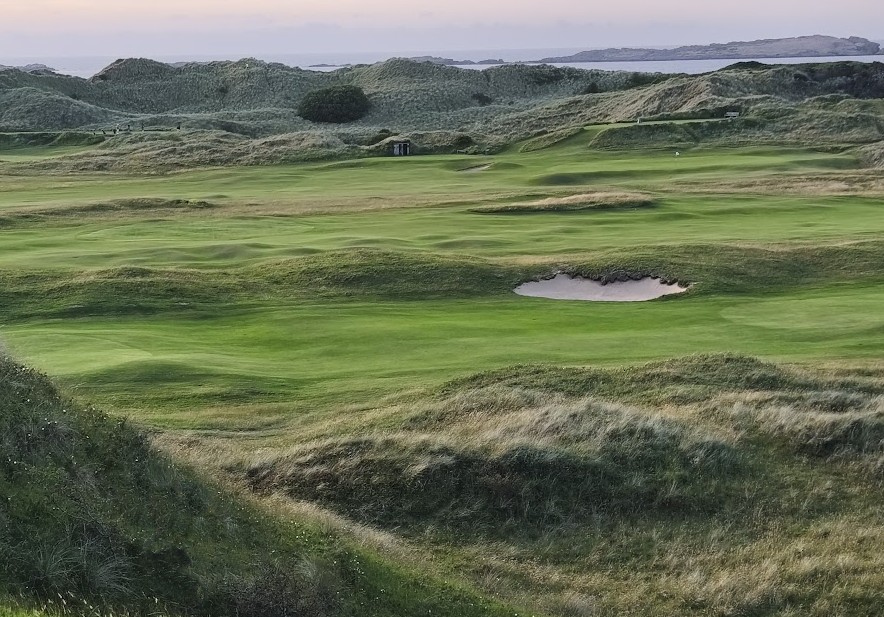
There are better models closer to home. Most golfers admire the great links courses, Royal Portrush, Royal County Down, Portstewart, Kirkistown, even though these courses are firm, often brown and natural, not manicured. Members already love this kind of golf, they just don’t always see it as the same thing when areas of their own club are allowed to return to nature.
A club members are proud of
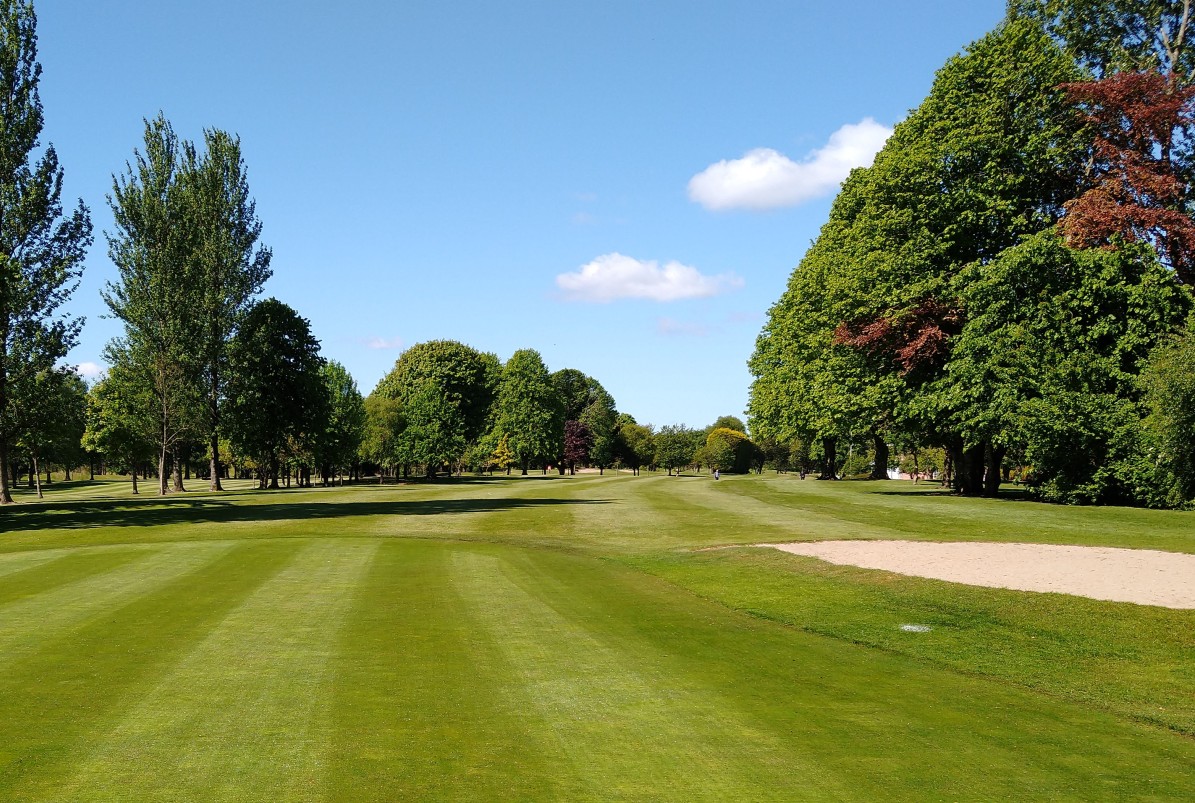
None of this is about making do with lower quality. It’s about spending on purpose, rather than reacting once a problem gets expensive, whether that’s drainage, drought, energy costs, lost habitat, lost members or lost green fees.
In a thriving, sustainable club, subs stay reasonable because the costs are under control; course conditions are kept to a high standard throughout the year, to attract and keep members and visitors. And a course that gives something back to the local environment, rather than an artificial island devoid of birds, wildflowers and wildlife.
That’s what sustainability actually buys a club. Not just a good feeling about the environment, but a real chance of becoming and staying exactly the kind of club its members are proud of.
A fuller look at what this means for wildlife, habitat and the case for a club environmental committee will follow in a separate piece.

Related publications
- Technical Note 8, The Biggest Change in Golf Course Maintenance for 50 Years?
- Technical Note 9, The Business Case for Robotic Mowing