Trees and Parkland Golf
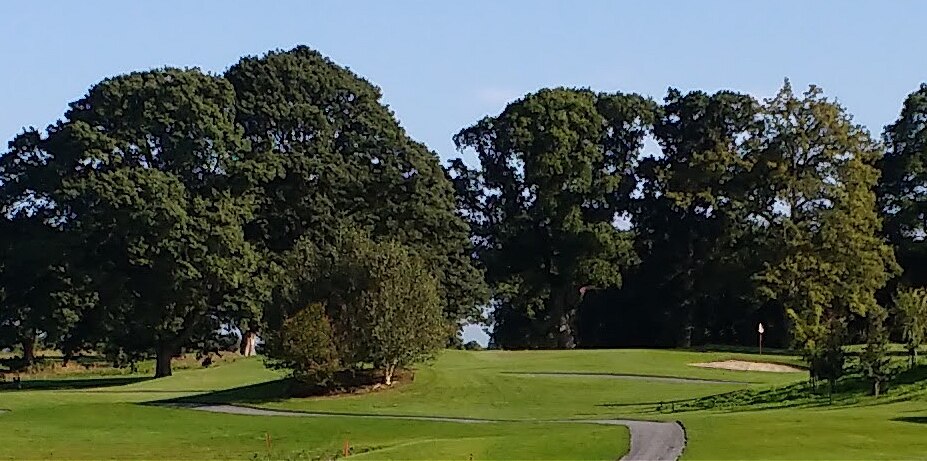
Many of our great parkland courses are enhanced by the mature trees that give them character. Malone, Belvoir, Moyola and Headfort are graced by mature deciduous trees that create a wonderful background for the game, and provide habitat for native plants and animals to thrive. Trees like these define the ideal parkland course.
But trees can bring real problems too, and their management can quietly become one of the biggest, least-noticed drains on a club’s maintenance budget.
The space problem
The great tree-lined courses mentioned above have the space and scale for forest trees to grow to full maturity. But many smaller courses have planted thousands of trees over the last few decades trying to create something similar, and most of those trees will end up too big for the space they’re in. Many clubs haven’t thinned hard enough, and are left with tall, thin “beanpole” trees that will never look right, growing too close together, fighting each other for light.
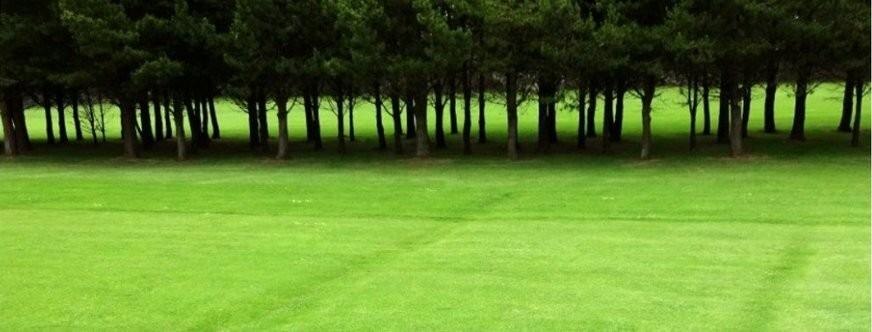
Grass is a plant of the open plains. It doesn’t like shade, and turf grown under dense tree cover becomes thin and weak, exactly where members need good turf most, on tees, fairways and green surrounds.
The cost that hides in plain sight
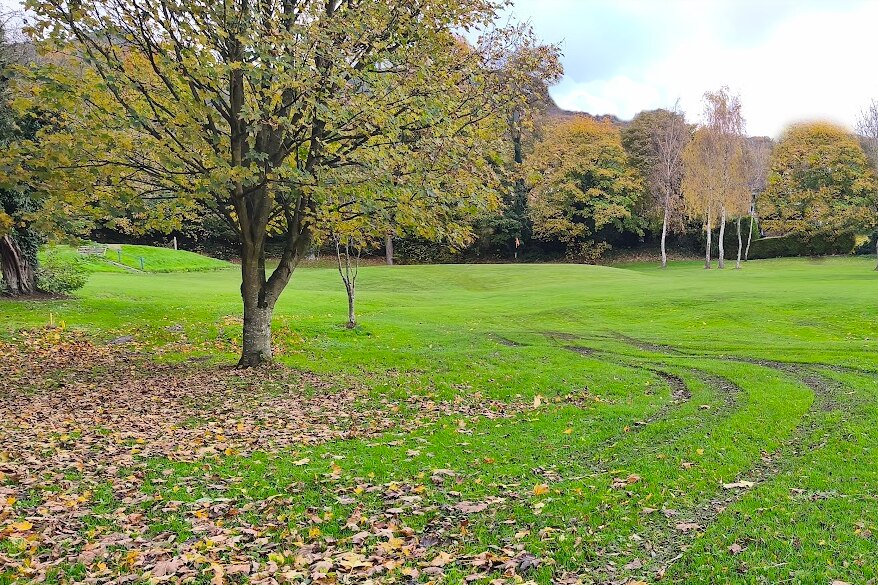
This isn't just an aesthetic problem, it's a staff-time and budget problem that rarely gets counted properly. Every autumn, leaves need clearing from tees, fairways and greens, hours of staff time on a job that didn't exist before the trees were planted. Overhanging branches need regular cutting back. Roots lift paths and damage machinery.
None of this shows up as one large cost on a budget, it's spread thin across the year, which is exactly why it's so easy for a club to lose track of how much time and money mature, poorly-planned planting is actually costing.
A well-spaced, well-chosen stand of trees needs a fraction of this attention. The saving isn’t dramatic in any single week, but compounded over a maintenance season, it can free up genuinely significant staff hours, hours that would be far better spent on the playing surfaces members actually use.
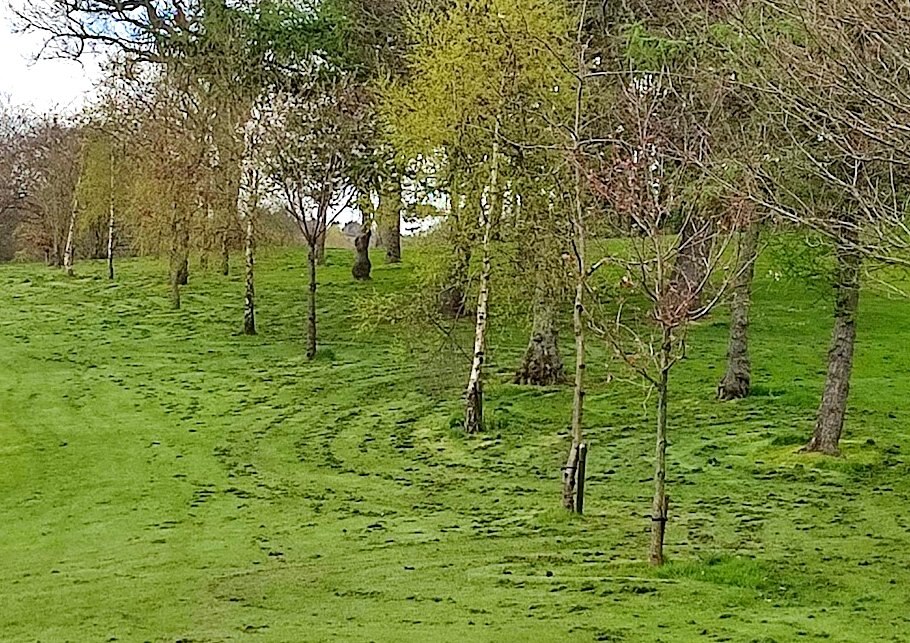
On wet clay parkland especially, this is one of the most damaging problems I see: mowers forced into repeated tight turns around closely spaced trunks churn and rut the surrounding turf, particularly through a wet autumn or winter. What starts as a few wheel marks becomes a scarred, uneven strip that struggles to recover, and compacted, rutted ground drains worse than the turf around it, adding a drainage problem to an already visible one.
Choosing species carefully
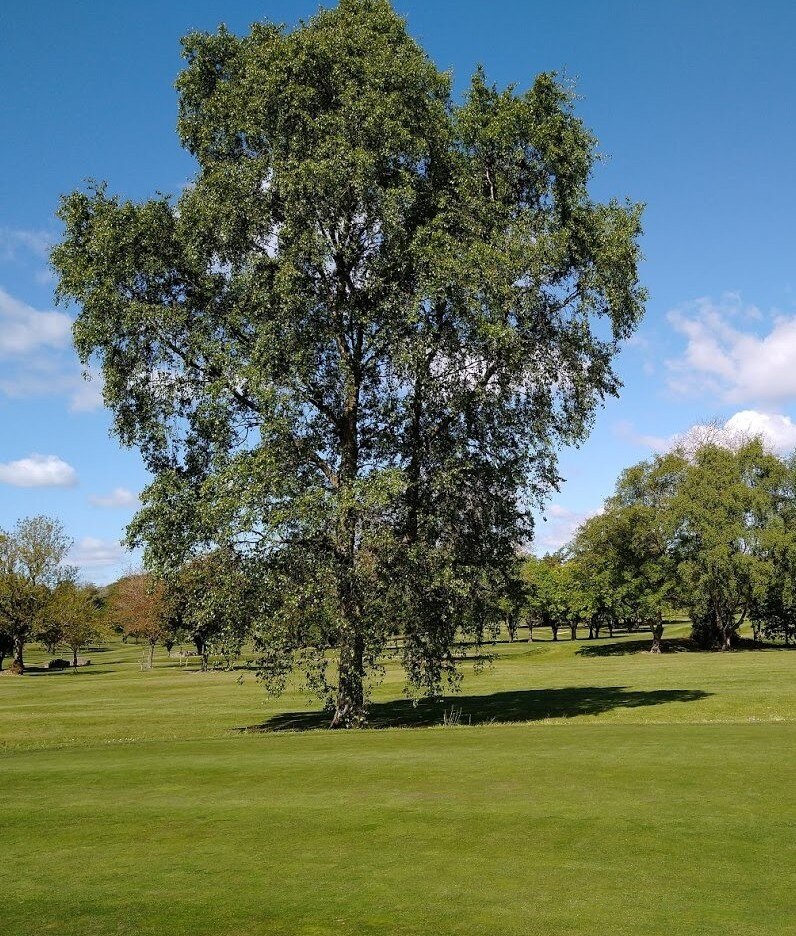
Choose your trees carefully, and avoid large-leaved species like sycamore, which can drop enormous quantities of leaves onto playing areas, or beech, which will litter tees and greens with hard seed pods.
If planted carelessly close to drains, tree roots can block them, particularly willow and poplar, though almost any tree will seek out gaps or cracks in a pipe over time. If you have to drain close to existing trees, use solid, unperforated pipe for the length passing them, a small extra cost at installation that avoids a much larger repair bill later.
This is exactly the kind of detail that should sit in a club’s drainage records, so the next contractor or committee isn’t left guessing why a particular run was specified differently.
I’ve planted thousands of trees over the years, and it’s best to plant a variety of mainly native species that we know are comfortable in our climate. You never really know which trees will thrive in the long run, or what diseases may affect them, so a mixed planting is always the safer bet. Native Oak, Lime, Wild Cherry, Scots Pine and Silver Birch are excellent choices for golf courses, and in wetter areas, Willow, Alder, Poplar and River Birch (Betula nigra) will do well.
The slow, invisible change
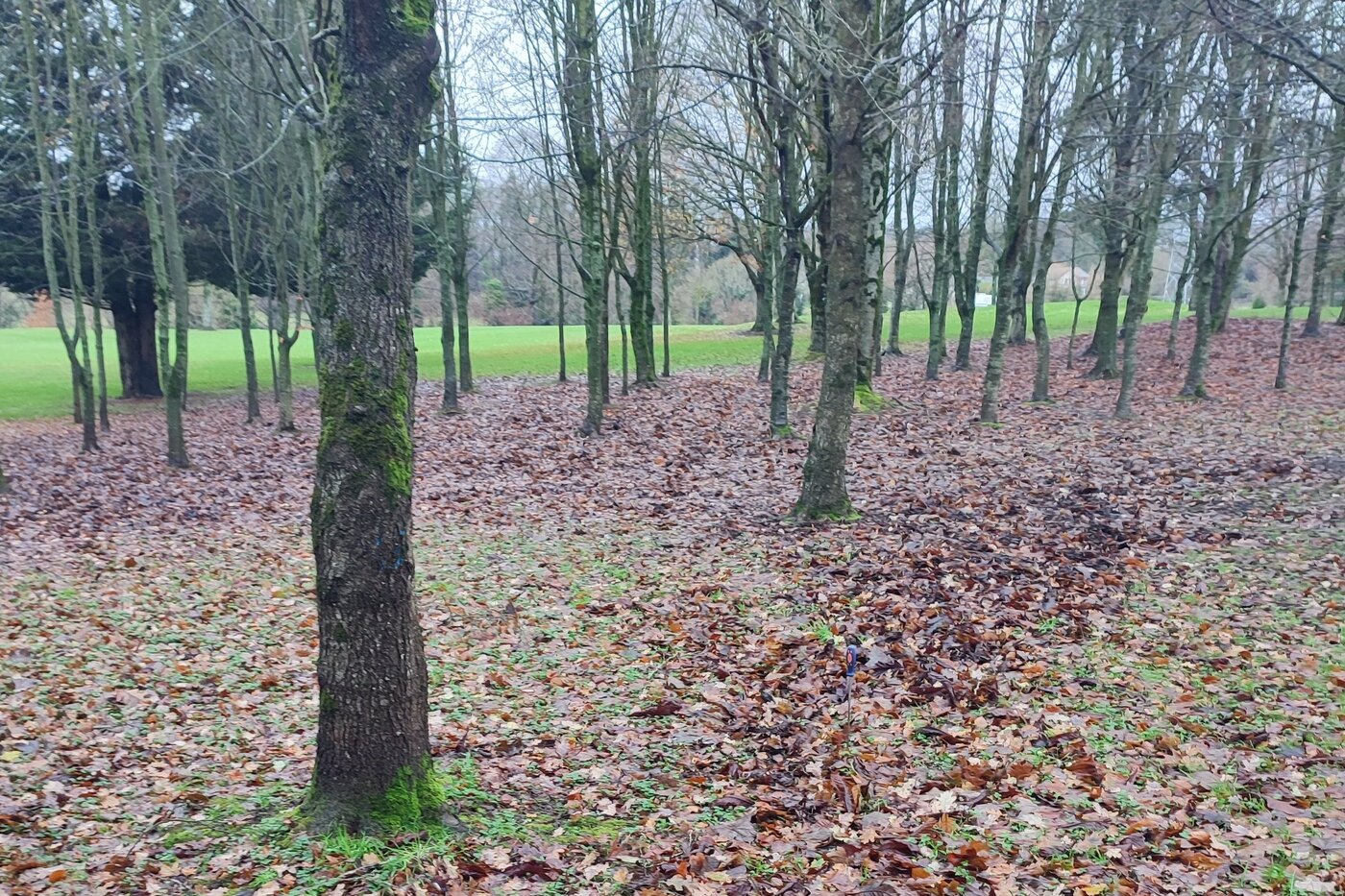
Many clubs have planted heavily over recent decades, and our courses have changed dramatically as a result. You don’t really notice the gradual change at your own club, it happens too slowly to register day to day, but it comes home clearly when you visit a course you haven’t played in years.
Courses that were once a pleasure to play have become tight and punishing, with almost every missed fairway requiring a chip out sideways. Where you could once open your shoulders off the tee, you now have to poke the ball forward with an iron just to keep it in play.
This is the same pattern behind so much of what goes wrong on a course over time: nobody wrote down the planting plan, nobody reviewed it against how the course was actually playing, and each new committee added a little more without seeing the cumulative effect. A tree survey, recording what’s there, what was planted when, and what the long-term plan for spacing and thinning actually is, would catch this early. Without one, a club only notices once the damage is already mature and expensive to reverse.
Look at every tree
Have a proper look at every tree on the course. Does it add to, or take away from, the course’s appearance and challenge? Will it flourish in the long term, or is it already in poor health and unlikely to survive? Does it add meaningfully to maintenance costs?
One practical point worth flagging: any tree earmarked for pruning or removal should be selected and marked while it’s still in leaf, not once winter has stripped the canopy bare. Too many young, perfectly healthy trees have been felled simply because a bare winter silhouette was mistaken for a dead one. Make these decisions in early autumn, while leaf cover still shows clearly which trees are genuinely struggling, and the choice becomes obvious rather than a guess.
For many clubs, a full scale tree survey would be a great investment to help manage the existing stock of trees and to plan ahead, rather than rely on random planting in the future.
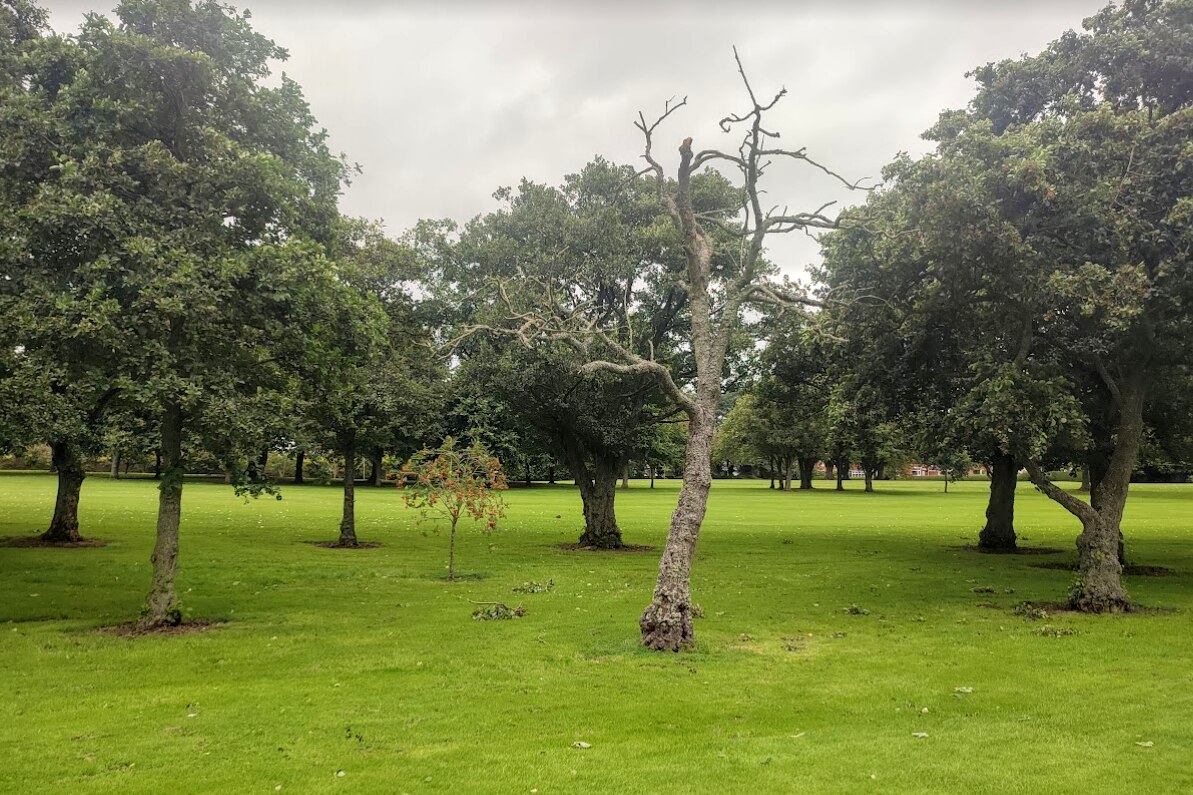
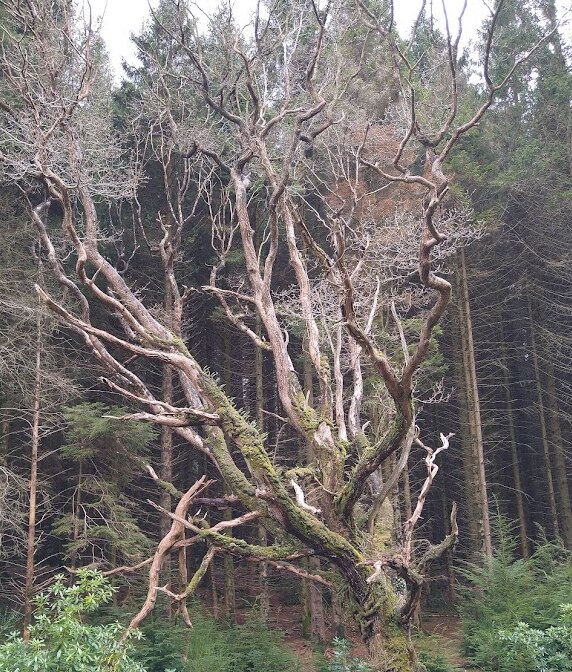
Does it help wildlife? Standing dead wood and mature native trees are valuable habitat, not automatically a problem to be tidied away, provided they’re in an out-of-the-way spot that doesn’t detract from the course itself. A dead tree tucked into rough or woodland at the edge of play can be left for the benefit of wildlife. One close to a green or fairway is a different matter, and safety and playability have to come first. It’s worth remembering either way before reaching for the chainsaw on anything that simply looks bare in winter.
And go easy on new planting. Tighten the course where it will genuinely challenge the strongest golfers, but leave space for everyone else to find their ball and have a proper go at the green. The game is meant to be testing, but enjoyable. Punishing the ordinary golfer or the beginner isn’t a good policy for the game in general, and it’s an especially poor one for a club hoping to attract members and visitors.
Related publications
- Technical Note 8, The Biggest Change in Golf Course Maintenance for 50 Years?
- Technical Note 10, Can the Sustainable Golf Course Keep Costs Down?