
Managing Traffic and Compaction in Wet Conditions
Reducing Damage and Maintaining Winter Playability
Introduction
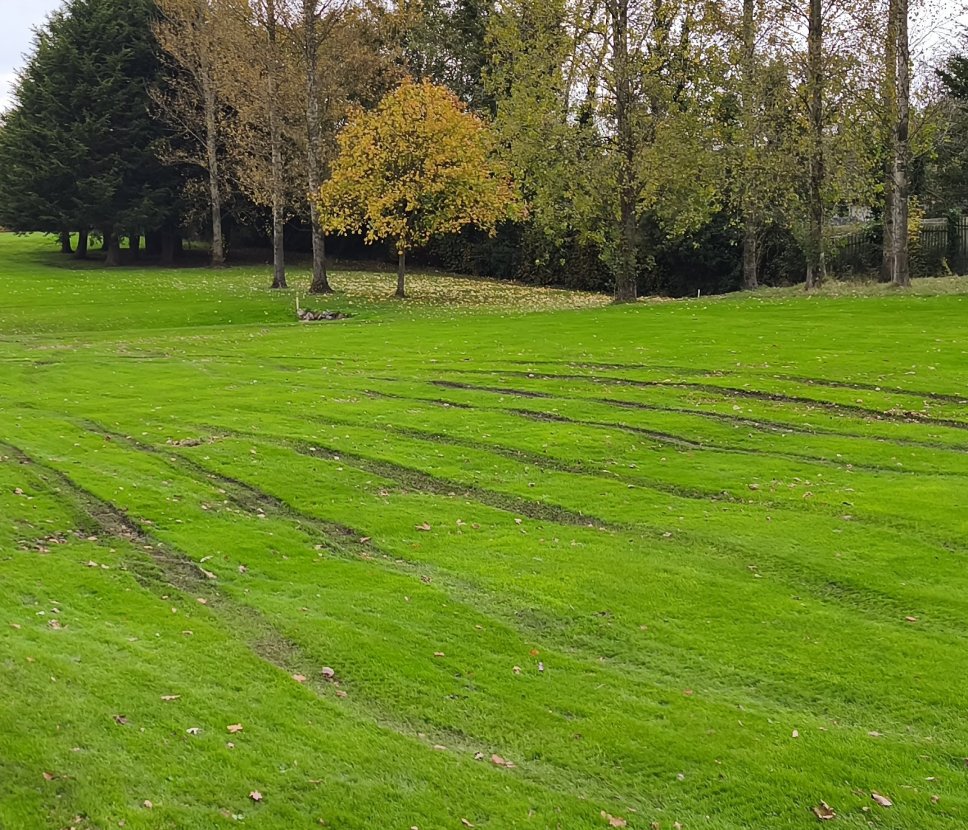
Much of the damage seen on golf courses during wet winters is not caused by a lack of drainage, but by traffic on saturated ground. Repeated movement of machinery and golfers over saturated ground can quickly lead to:
- Rutting
- Surface sealing
- Loss of grass cover
- Reduced infiltration
These effects can cause long-term damage to the playing surface and prevent water from reaching existing drains, reducing their effectiveness.
This note outlines practical steps golf clubs can take to reduce damage during wet conditions and improve winter playability.
Key points for golf clubs
- Traffic on saturated ground is a major cause of winter damage
- Compaction reduces infiltration and limits the effectiveness of drainage
- Concentrated wear is often more damaging than overall traffic levels
- Managing traffic is often more effective than installing additional drainage
- Small changes in practice can significantly reduce damage
1. Recognise where damage occurs
Damage typically occurs in predictable locations, including:
- Walk-offs from greens
- Entrances and exits to paths
- Areas around tees
- Narrow fairways or pinch points
- Shaded or poorly drained areas
Traffic needs to be controlled and varied to prevent damage occurring.
2. Reduce concentrated traffic
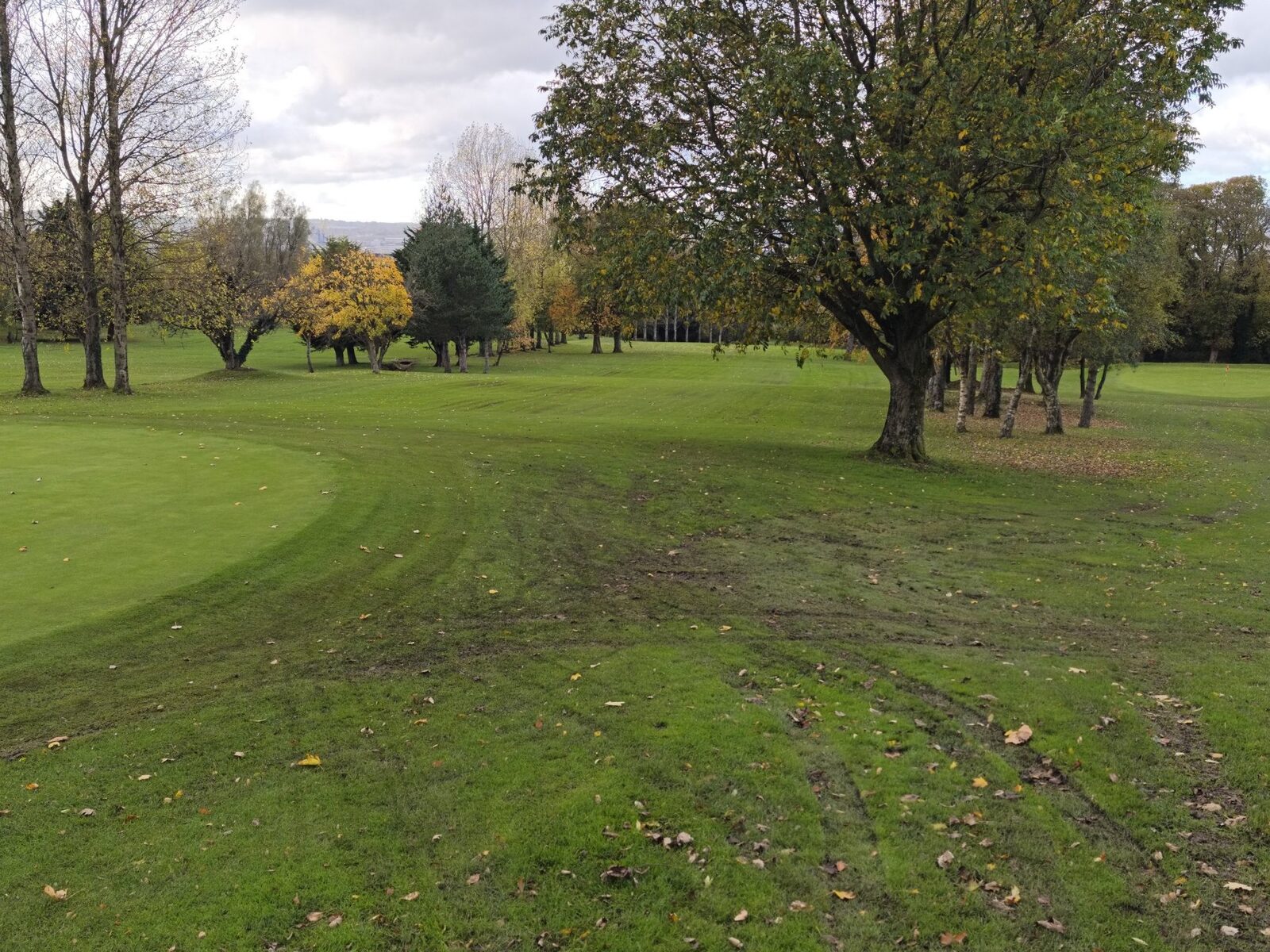
Where the same route is used repeatedly:
- Turf becomes worn
- Soil becomes compacted
- Infiltration is reduced
Clubs should aim to:
- Vary access routes where possible
- Spread wear across wider areas
- Use temporary routes during wet periods
- Protect vulnerable areas such as green surrounds
Small regular changes can significantly reduce damage. Slightly worn turf recovers quickly; badly worn turf can take much longer to recover.
3. Manage machinery use carefully
Course machinery can cause significant damage when used on saturated ground, such as:
- Rutting from heavy equipment
- Smearing of the soil surface
- Compaction of underlying layers
Clubs should aim to:
- Avoid unnecessary work in very wet conditions
- Use lighter equipment where possible
- Adjust the timing of maintenance work
- Reduce turning movements on soft ground
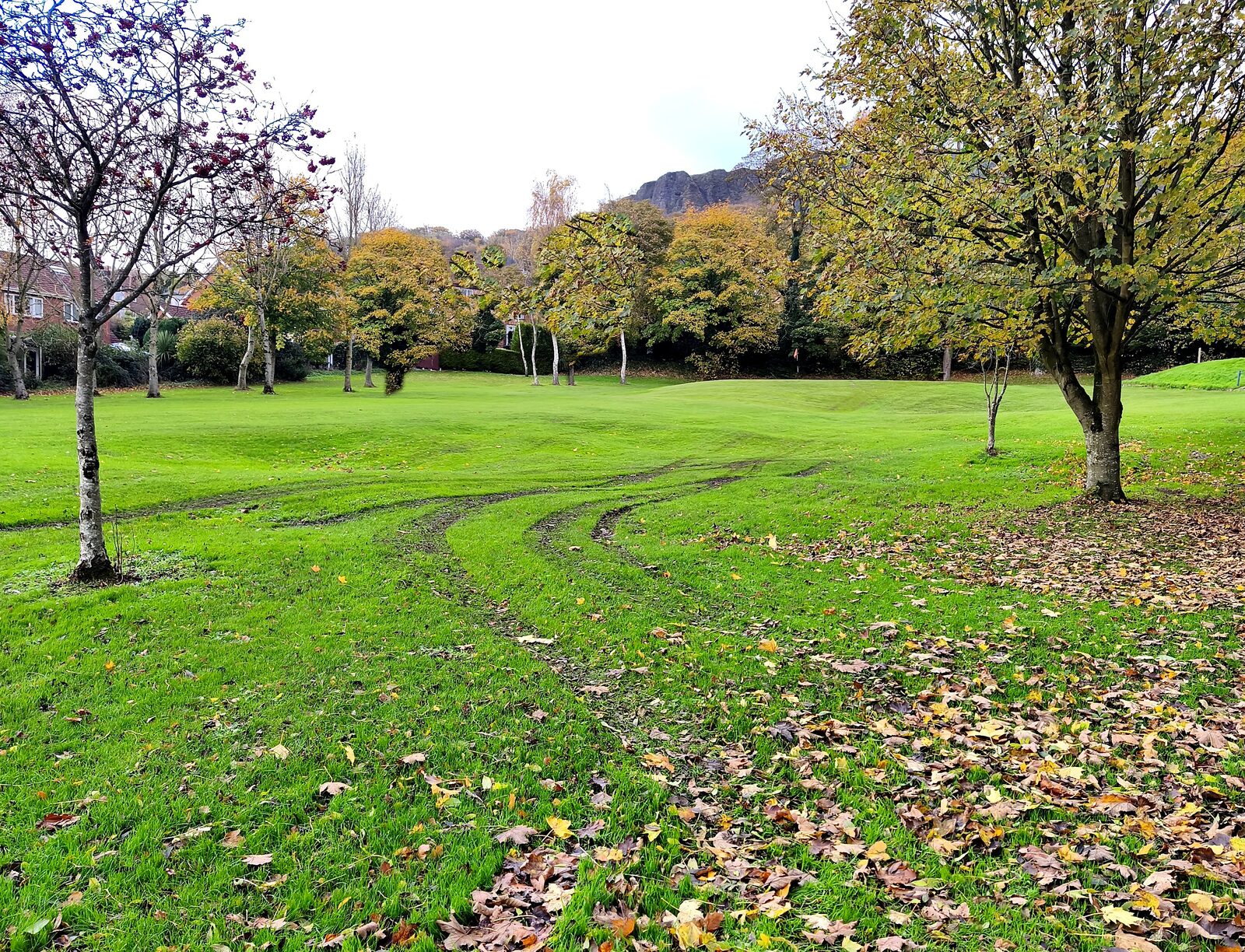 In some situations, lighter equipment may be more appropriate
More often than not, the best decision is to delay operations until conditions improve.
4. Maintain turf cover
Bare or worn areas are more vulnerable to:
- Compaction
- Erosion
- Further deterioration
Maintaining turf density helps:
- Protect the soil surface
- Improve infiltration
- Reduce long-term damage
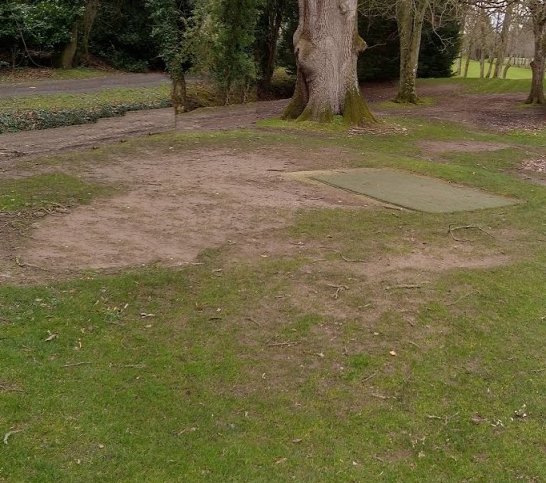 Avoid permanent winter tees. Move the mat around.
5. Consider robotic mowers
Traditional mowing equipment can contribute to compaction, particularly during wet periods.
Robotic mowing systems are now well established and offer a few advantages:
- Much lighter than conventional machinery
- Can operate more frequently with less impact
- Can help reduce compaction during wet conditions
- Improve turf density due to frequent cutting
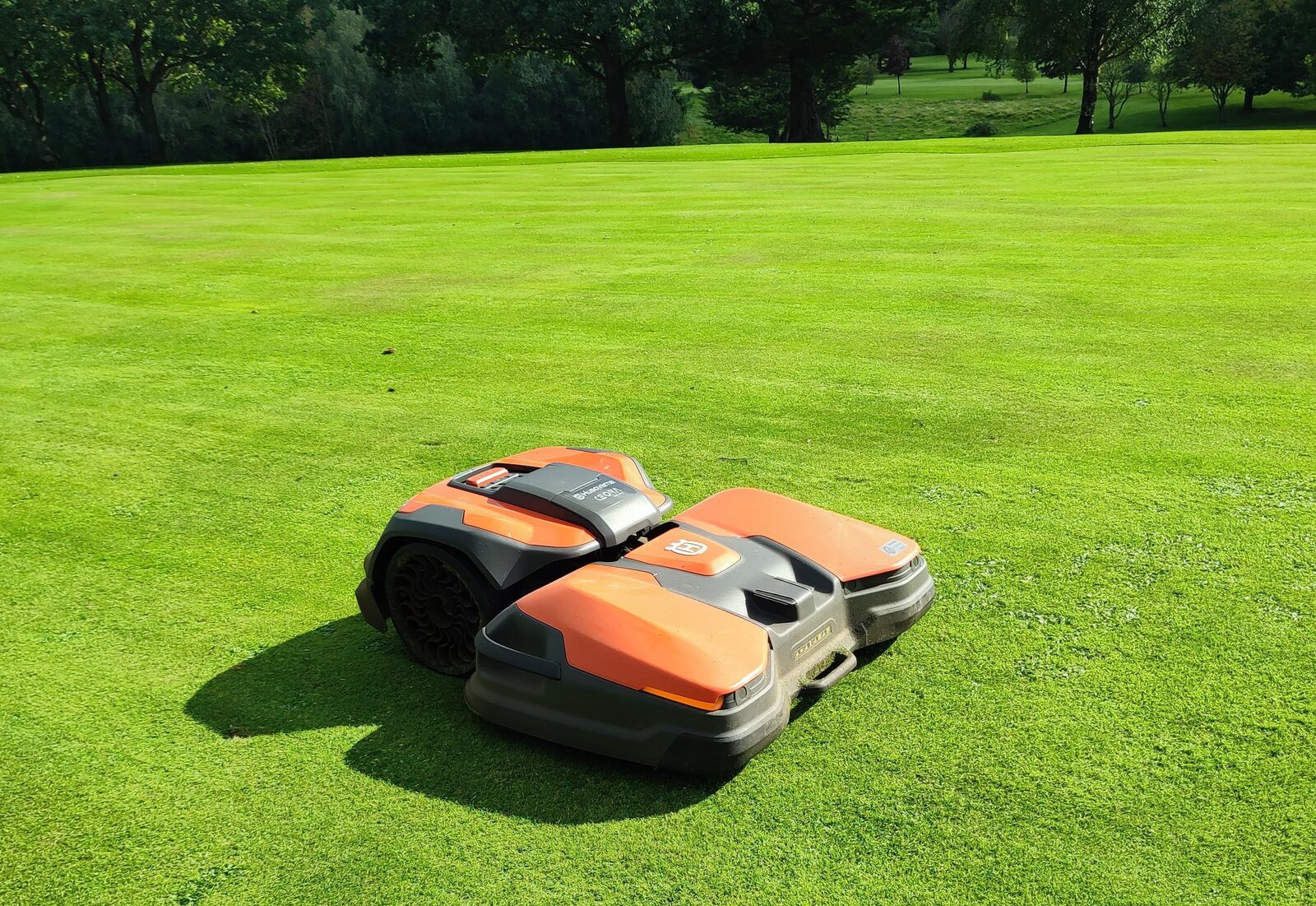
This is an area of rapid development and will be considered further in Technical Note 4.
6. Plan for winter protection
During particularly wet periods, some level of protection will be necessary. This may include:
- Temporary routes, varied regularly before damage occurs
- Protective matting, moved regularly
- Restricting access to vulnerable areas
While not always popular, this can prevent more serious long-term damage.
Final thoughts
- Traffic and compaction are major contributors to winter playability problems on many courses
- Managing how the course is used in wet conditions is often as important as improving drainage
- Clubs that take an active approach to traffic management will see significant improvements, often without the need for major drainage works